
TMS is an FDA-approved, non-medication therapy that uses magnetic pulses to stimulate the brain regions tied to mood. No anesthesia, no systemic side effects, no daily pills. This article covers what TMS actually is, what a treatment course looks like, and — the question most patients ask — how long the results actually last.
TMS Center Centennial has provided TMS and neurofeedback services to the Denver/Centennial area since 2017, working with patients who've run out of options with medication alone.
Key Takeaways
- Non-invasive, FDA-approved magnetic pulses stimulate mood-regulating brain regions without surgery or systemic medication effects
- Standard courses run 4-6 weeks daily; Deep TMS™ and accelerated protocols can compress this to about two weeks
- Relief often holds 6-12 months or longer, with maintenance sessions helping extend gains
- Longer-lasting benefit is most likely when full remission is reached, and history and age still shape individual timelines
What Is TMS?
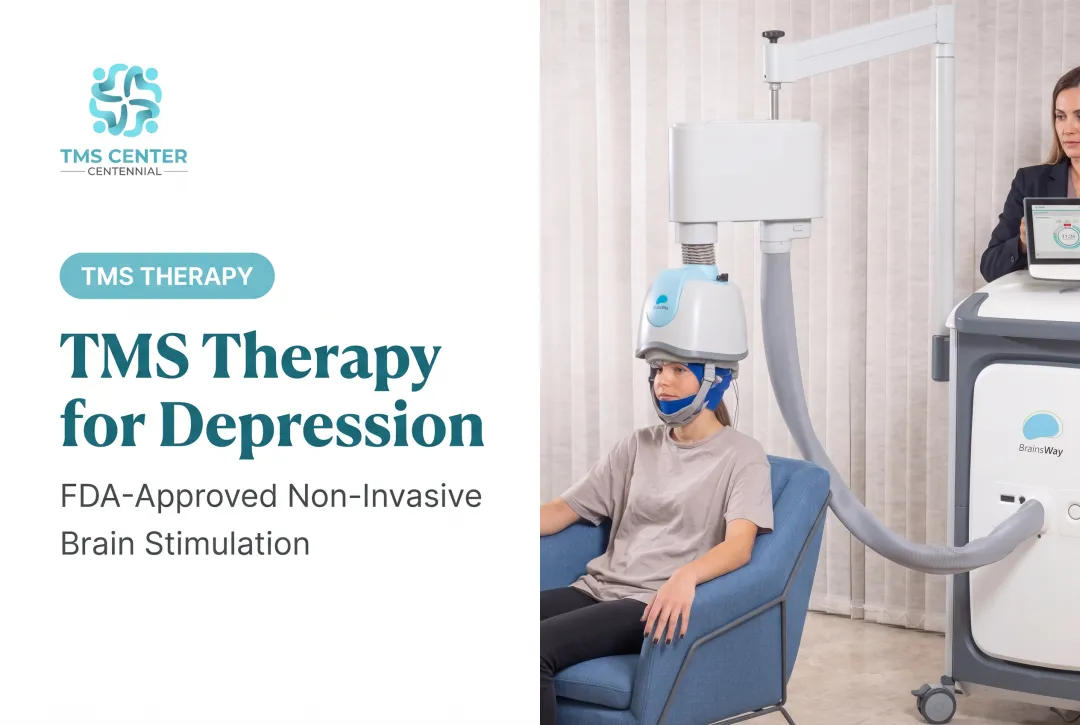
TMS stands for Transcranial Magnetic Stimulation. It's a non-invasive procedure that delivers magnetic pulses to the prefrontal cortex, specifically the dorsolateral prefrontal cortex (DLPFC), a brain region directly tied to mood regulation.
The FDA cleared the first TMS depression protocol back in 2008, and it's specifically approved for treatment-resistant Major Depressive Disorder — meaning depression that hasn't responded adequately to at least one antidepressant. There's no anesthesia involved and no systemic medication side effects to manage.
Repeated magnetic pulses induce electrical currents in specific cortical regions, which depolarize underlying neurons and modulate the neural circuitry involved in emotion regulation. Over the course of treatment, this gradually shifts brain activity patterns associated with depression.
Types of TMS
- Standard rTMS: Daily sessions, typically 30-40 minutes each, delivered five days a week for 4-6 weeks. This is the original, most-studied protocol.
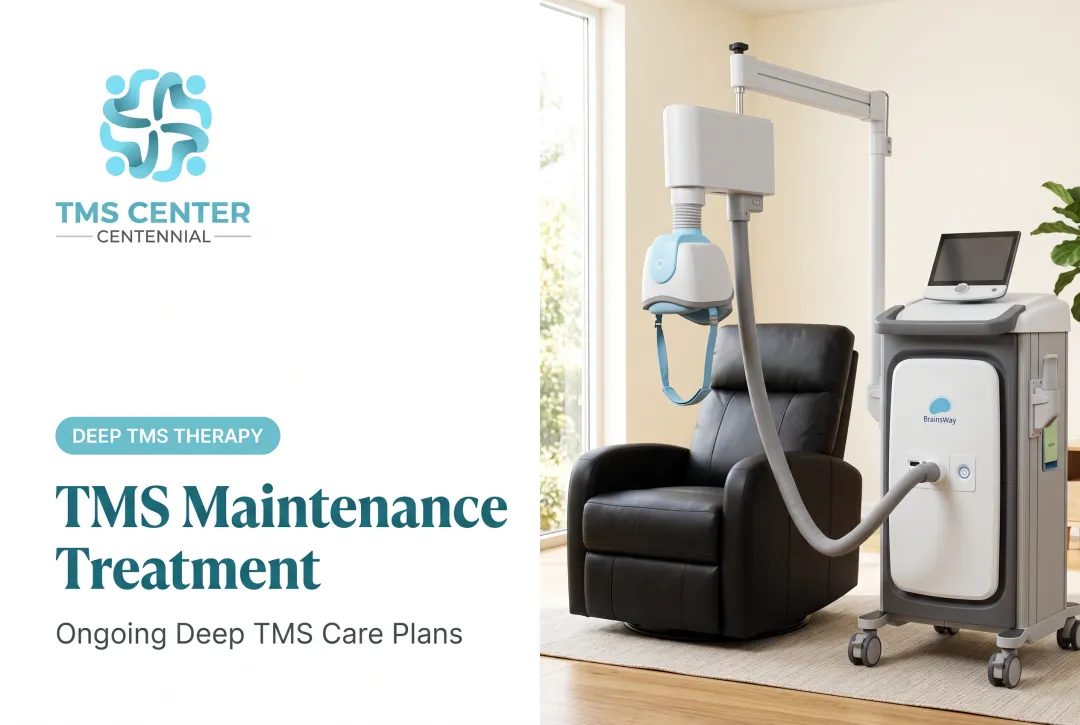
- Deep TMS™: Uses BrainsWay's patented coil design to reach wider and deeper brain regions than standard coils. TMS Center Centennial uses this technology, delivered by certified BrainsWay™ technicians.
- Accelerated/theta-burst protocols: Compress treatment into a shorter timeline with multiple sessions per day. TMS Center Centennial offers Swift Deep TMS™, an accelerated protocol using theta-burst stimulation across roughly six intensive days, followed by tapering sessions that complete in about two weeks instead of six.

Patients at TMS Center Centennial can also pair TMS with NeurOptimal® neurofeedback, a 33-minute brainwave training session, as part of a broader approach to mental health care.
What Does a TMS Treatment Course Look Like?
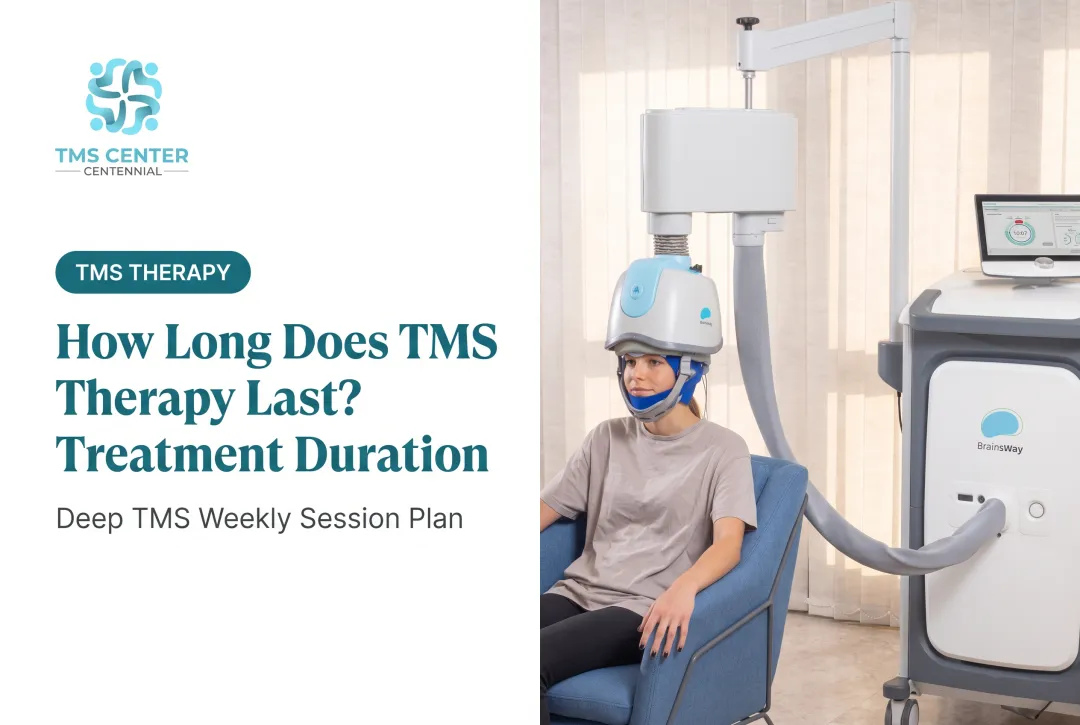
A standard course generally involves 20-30 sessions over 4-6 weeks, with treatment five days a week, according to clinical consensus guidelines. Individual sessions run 20-40 minutes depending on the protocol and device.
At TMS Center Centennial, standard sessions typically last 20-30 minutes, scheduled within a 45-minute appointment window. Patients leave with no downtime:
- Drive themselves to and from appointments
- Resume normal activities immediately after each session
- Need no sedation or recovery period
Some patients notice mood improvements within the first two to three weeks. That said, clinical guidance is clear: the full acute course is usually necessary to assess whether treatment worked. Judging results too early can mean stopping before the brain changes have fully taken hold.

How Long Do TMS Results Last for Depression?
Research does not offer one clean number for how long TMS results last. Durability depends on how well a patient responded initially, whether they reached remission, and whether they continue maintenance care.
First, an important distinction:
- Response means a meaningful reduction in symptoms (typically at least 50% improvement)
- Remission means the depression has essentially resolved
Patients who reach full remission tend to have longer-lasting results than those who only achieve a partial response. In one 12-month follow-up study, patients who responded well after an initial course maintained low depression scores at both 6 and 12 months, suggesting durable benefit for many who respond well.
TMS results are not automatically permanent. Relapse rates vary widely across studies, from roughly 18% over six months in one randomized trial to higher rates by 12 months in others, depending on whether maintenance treatment was used. A 2019 systematic review found that maintenance rTMS, delivered monthly or more frequently, sustained benefits for up to 6-12 months in many patients.
The brain also stays responsive to TMS over time. In a retreatment study, patients who relapsed after an initially successful course and returned for a repeat course saw response rates near 78% and remission rates over 57% on retreatment. Relapse does not mean TMS stops working.
That matters for durability because full remission is linked to longer-lasting benefit. At TMS Center Centennial, patients treated with BrainsWay Deep TMS™ show an 89% improvement rate and about a 69% complete remission rate. Individual results vary, but reaching remission in a full course is the strongest starting point for lasting relief, especially when maintenance options are part of the plan.

Factors That Influence How Long TMS Results Last
Not everyone's results last the same length of time. Research points to a handful of consistent predictors:
- Depression history: Shorter illness duration and fewer prior depressive episodes tend to predict more durable results.
- Age and brain plasticity: Younger patients often show more complete, longer-lasting improvement, though evidence is mixed.
- Co-occurring conditions: Anxiety, PTSD, or OCD alongside depression can shorten how long gains hold. One review found comorbid PTSD was associated with the least improvement.
- Treatment adherence: Completing the full recommended course matters. Stopping early is linked to weaker, shorter-lived outcomes.

None of these factors are disqualifying. They help set realistic expectations and guide how a care team structures your treatment plan.
How to Extend and Protect Your TMS Results
TMS creates changes in brain activity, but protecting those gains usually takes more than the initial treatment course alone.
- Continue therapy after TMS. Reinforcing new thought patterns through counseling helps consolidate the neurological changes TMS creates. TMS Center Centennial's collaborative counseling team, led by LMFT Carolyn Riviere, works alongside the TMS protocol to support that process.
- Prioritize sleep, exercise, and stress management. These habits support overall brain health and help you hold onto the progress made during treatment.
- Stay in contact with your care team. Regular check-ins help catch early signs of symptom return before a full relapse sets in.
- Consider maintenance or booster sessions if symptoms return. No single maintenance schedule is standard across the field, but research shows patients who need retreatment typically respond well again.
Frequently Asked Questions
What is the typical timeline for TMS treatment?
A standard course runs 4-6 weeks of daily weekday sessions. Accelerated protocols like Swift Deep TMS™ can compress this into roughly two weeks for eligible patients.
How long is a typical TMS session?
Most sessions run 20-40 minutes depending on the device and protocol, though some theta-burst sessions take only a few minutes. TMS Center Centennial's standard sessions typically run 20-30 minutes.
What is the success rate of TMS for depression?
Published research reports response and remission rates in the 30-45% range across studies. TMS Center Centennial reports an 89% symptom-reduction rate and approximately 69% complete remission among its own patients.
What is the next step if TMS doesn't work?
Options include adjusting the stimulation protocol, combining TMS with therapy or medication management, or exploring a repeat course. A consultation with your care team can help determine the right path.
How many times can you have TMS therapy?
Repeat courses are common and generally well tolerated. Many patients who relapse after a successful first course respond well to retreatment, and there's no universal limit or fixed schedule.
Can TMS be life-changing?
Many patients report significant, lasting improvement in mood, sleep, and daily functioning after TMS. Whether it's right for you depends on your history and needs. A conversation with TMS Center Centennial can help you decide.