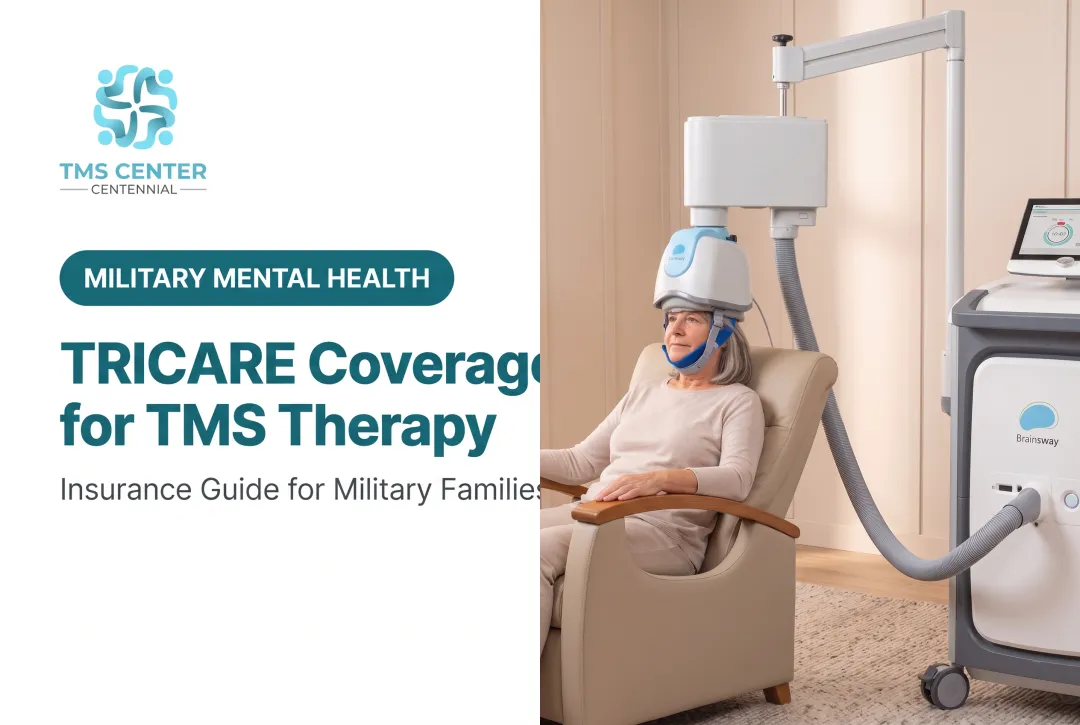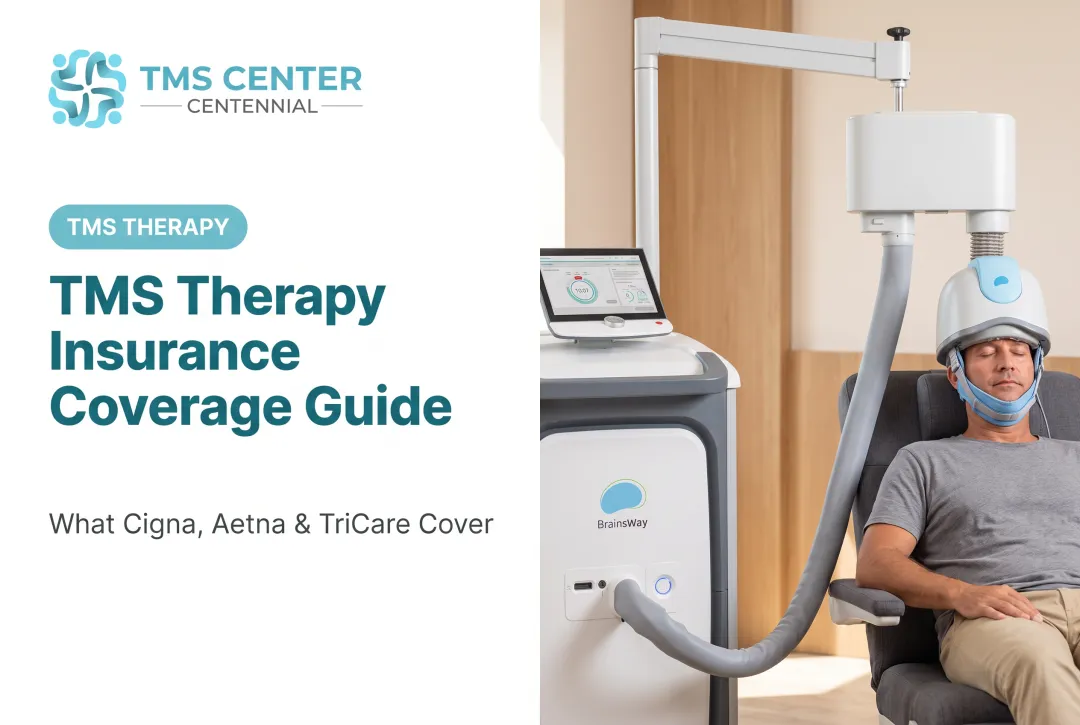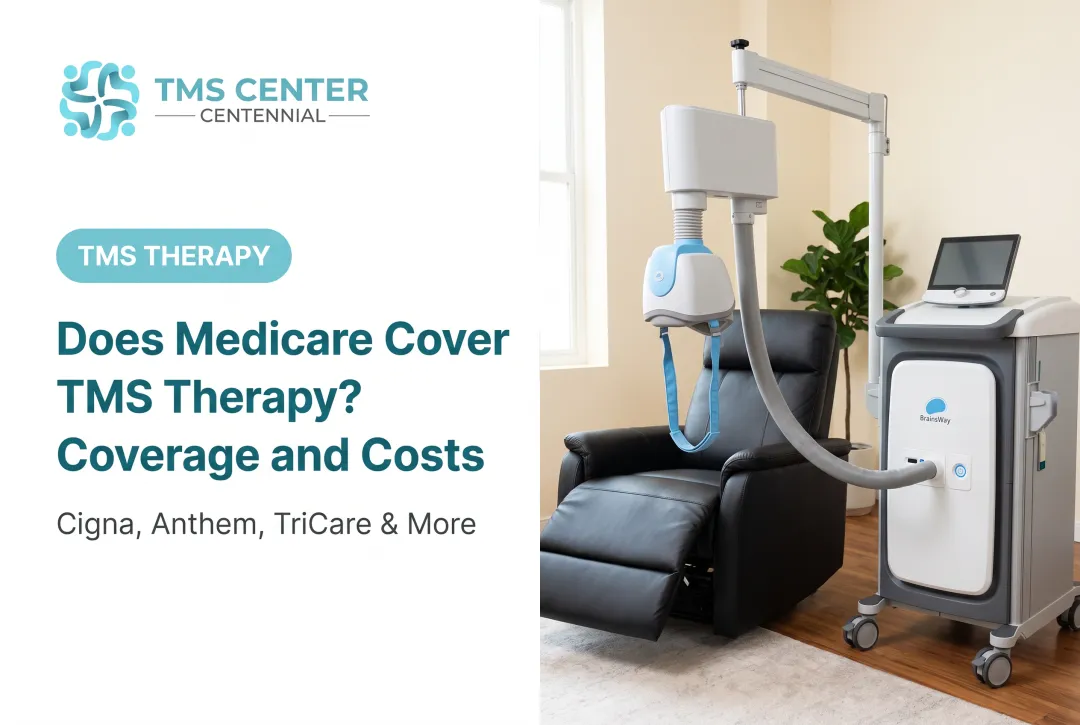

Here's the honest answer: Medicaid coverage for TMS varies by state, plan, and medical necessity criteria. There's no universal yes or no.
This article breaks down Medicaid's coverage rules, who qualifies, what TMS costs without coverage, and how to check your specific benefits before committing to treatment.
Key Takeaways
- Medicaid often covers TMS for treatment-resistant Major Depressive Disorder, but rules differ by state and plan
- Most programs require documented failure of two or more antidepressants plus psychotherapy
- Prior authorization is required almost everywhere before treatment starts
- Approved patients typically pay little to nothing out of pocket
- Coverage is expanding: New York Medicaid and California Medi-Cal both added TMS benefits within the past two years
Does Medicaid Cover TMS Therapy? (Coverage Overview)
Medicaid isn't one program. It's 50-plus state-run programs, each setting its own rules within federal guidelines. So "does Medicaid cover TMS?" depends on your state.
Recent examples show coverage is expanding:
- New York Medicaid began reimbursing TMS in July 2025 for members 18+ with treatment-resistant MDD. Healthfirst confirmed coverage for Medicaid, Medicaid Advantage Plus, and HARP members as of November 2025.
- California Medi-Cal covered TMS (CPT 90867–90869) starting August 2024, with a Treatment Authorization Request (TAR) and confirmed severe MDD.
When Medicaid does cover TMS, that typically includes:
- The initial mapping/planning visit (determining motor threshold)
- Daily treatment sessions across the standard course
- Maintenance sessions when clinically justified and pre-approved

Coverage on paper still isn't automatic. Some state programs classify TMS as experimental, or require extensive proof of prior treatment failures before approving care.
Two misconceptions cause most delays:
- Treating "Medicaid doesn't cover TMS" as a nationwide rule — it depends on your state
- Assuming a covered diagnosis guarantees approval — medical necessity still must be documented
If you're in Colorado, Health First Colorado has no clearly published TMS medical-necessity policy right now. That doesn't rule out coverage — it means you should verify benefits case by case.
Coordinators at TMS Center Centennial routinely check Medicaid and other insurance benefits before treatment starts, so you know where you stand up front.
Eligibility Criteria for Medicaid-Covered TMS
Medicaid coverage hinges on strict medical necessity standards. A diagnosis alone won't get you approved.
Diagnosis Requirements
- Documented Major Depressive Disorder (single or recurrent, severe) with DSM-5/ICD-10 codes, typically F32.2 or F33.2
- Age 18 or older in nearly every state program
Treatment-Resistance Documentation
Medicaid wants proof you've tried other treatments first:
- No response to at least two antidepressant trials from different drug classes (some plans require four), each at an adequate dose and duration
- Documented psychotherapy showing talk therapy alone did not resolve symptoms
Exclusions and Disqualifying Conditions
Not everyone qualifies, even with a depression diagnosis. Common exclusions include:
- OCD, which Medicaid often excludes even though it is FDA-cleared and covered by many private insurers
- Acute suicidality or psychotic depression
- History of seizures or certain neurological conditions
- Metal implants near the treatment area (pacemakers, aneurysm clips, cochlear implants)
TMS is also almost never approved as a first-line treatment. Medicaid programs expect you to have tried medication and therapy first.

How Much Does TMS Cost Without Medicaid Coverage?
A standard TMS course runs daily sessions, five days a week, for four to six weeks — commonly about 30 sessions, sometimes with a short taper. Accelerated options such as Swift Deep TMS™ can compress the same course into one to two weeks.
Without insurance, costs add up quickly. In the U.S., self-pay often runs roughly $200–$500 per session, or about $6,000–$15,000 for a full course, depending on clinic, region, and device.
What you pay out of pocket can differ sharply:
- Self-pay: You cover the full course, often in the mid four to low five figures
- Medicaid-approved: Many patients pay little to nothing, based on their plan’s copay and deductible
- Price drivers: Protocol length, Deep TMS vs. standard rTMS, and local clinic rates

Verify benefits before your first session. A quick coverage check can prevent thousands in surprise bills — clinics like TMS Center Centennial routinely run this step when insurance is involved.
The Prior Authorization Process for Medicaid TMS Coverage
Medicaid almost always requires prior authorization before your first TMS session. Skip this step and you risk a denied claim, even if you'd otherwise qualify.
Documentation typically required includes:
- Full psychiatric evaluation confirming diagnosis
- Medication history showing failed antidepressant trials
- Evidence of prior psychotherapy
- Confirmation of diagnosis codes matching state requirements
Your treating psychiatrist or TMS provider submits this paperwork on your behalf. Patients do not handle this step alone.
At TMS Center Centennial, board-certified psychiatrists and certified TMS coordinators manage insurance verification and prior authorization paperwork before treatment starts. You also get a personalized benefits analysis so you know what to expect financially before the first appointment.
Medicaid vs. Medicare vs. Private Insurance for TMS
These three programs operate under completely different rules, even when covering the same treatment.
Medicaid
Medicaid is state-specific and income-based. Coverage, session limits, and documentation requirements vary widely from one state to the next, as the New York and California examples above show.
Medicare
Medicare Part B covers TMS for MDD once criteria are met: failed antidepressant trials, medication intolerance, or a documented prior positive response to TMS. Anxiety-only diagnoses are excluded. Coverage specifics depend on the local Medicare Administrative Contractor's policy.
Private Insurance
Carriers like Cigna, Aetna, BCBS, and UnitedHealthcare generally apply treatment-resistance requirements similar to Medicaid’s, but often cover a broader range of diagnoses, including OCD.
TMS Center Centennial accepts most major plans—including Cigna, Anthem BCBS, TRICARE, UnitedHealthcare, Aetna, and most Medicare plans—so patients can compare Medicaid, Medicare, and private options when state Medicaid does not cover TMS.
What to Do If Medicaid Denies TMS Coverage
A denial isn't the end of the road.
- Request the formal denial letter. It must state the specific reason for denial.
- Gather additional clinical documentation. Updated psychiatric notes or a fuller medication-trial history often help.
- File a formal appeal. Most state Medicaid programs allow a set window (often 60-90 days) to request a fair hearing.

If the appeal still fails, you still have practical paths forward:
- Ask providers about sliding-scale fees or payment plans
- Check eligibility for other coverage, such as Medicare or a spouse's private plan
- Book a benefits check with TMS Center Centennial before you commit financially
A short call with TMS Center Centennial before you decide can clarify coverage, costs, and next steps so you are not surprised later.
Frequently Asked Questions
Does Medicaid cover TMS therapy?
Coverage varies by state and requires documented treatment-resistant major depressive disorder (MDD). New York and California Medicaid both recently added TMS coverage (2024-2025), but not every state has followed suit yet.
Is TMS covered by Medicaid in Florida?
Florida Medicaid coverage depends on medical necessity criteria set by the state program. Because policies change, patients should confirm current TMS coverage directly with their caseworker or managed care plan.
How do I get TMS covered by insurance?
You'll need documentation of failed antidepressants and psychotherapy, a full psychiatric evaluation, and prior authorization submitted by your provider. Your TMS clinic typically handles this paperwork for you.
How much does TMS therapy cost?
Self-pay costs vary by clinic, region, and device type for a full multi-week course. Insurance or Medicaid approval can reduce out-of-pocket costs to little or nothing, depending on your plan.
How many TMS sessions are typically needed?
A standard course runs daily sessions, five days a week, for four to six weeks, often around 30 total sessions. Accelerated protocols can shorten this to one to two weeks.
What are the side effects and downsides of TMS therapy?
Most side effects are mild and temporary: headache, scalp discomfort at the treatment site, and occasional lightheadedness. Serious side effects, like seizures, are rare.