
TMS therapy gets discussed online in broad strokes: magnets, brain stimulation, no drugs required. But if you're actually considering it, generalities won't cut it. You need real numbers on cost, timeline, side effects, and whether you're even a candidate.
This article breaks down the honest pros and cons of TMS therapy for depression, so you can walk into a consultation with realistic expectations.
TL;DR
- Non-invasive, FDA-approved TMS is a medication-free option built for treatment-resistant depression
- Pros: high remission rates, no downtime, minimal serious side effects
- Cons: multi-week schedule, mild scalp discomfort, insurance pre-authorization delays
- Deep TMS™ (BrainsWay) offers broader stimulation with a similar safety profile
- Provider experience matters: outcomes vary by clinic
What Is TMS Therapy?
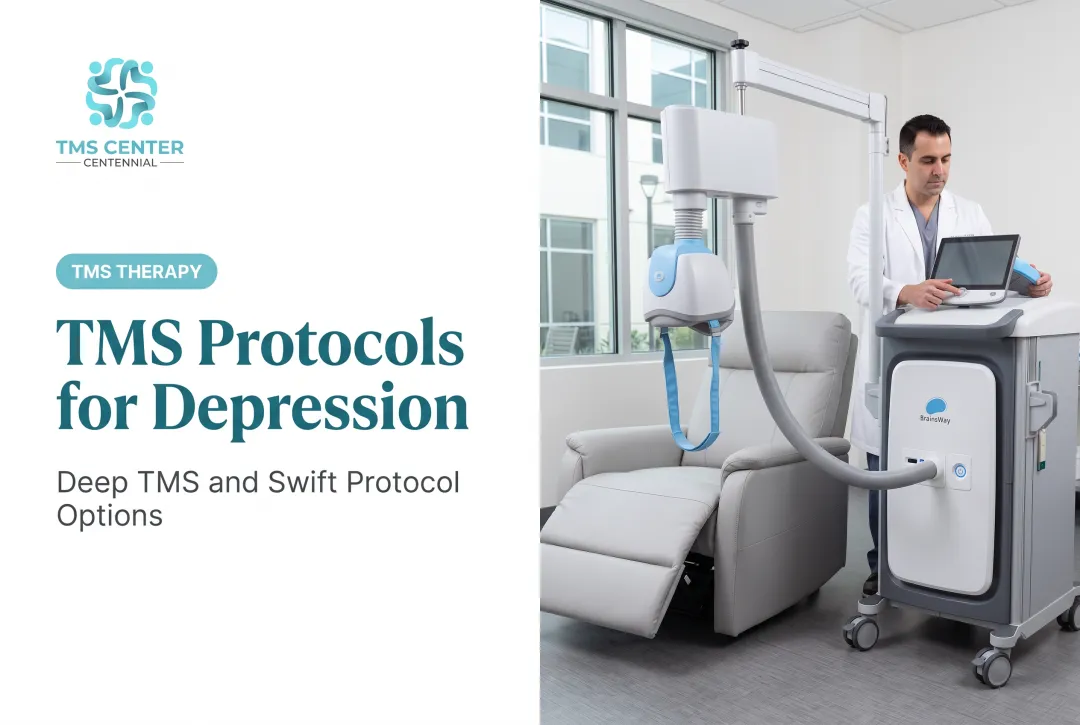
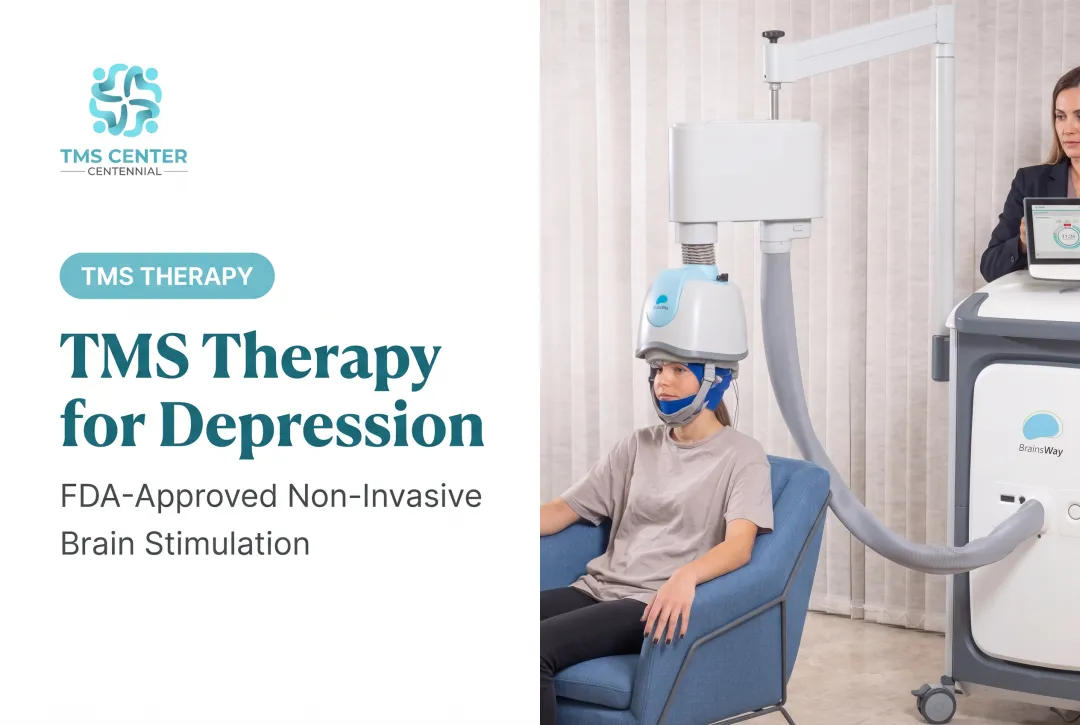
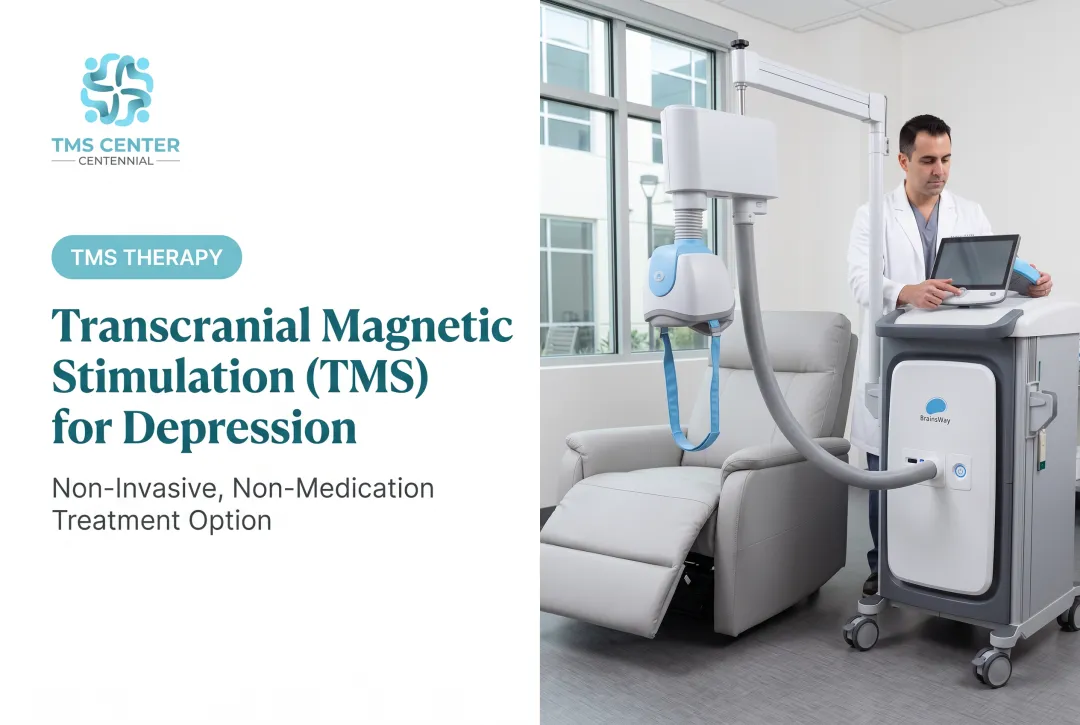
TMS (transcranial magnetic stimulation) uses magnetic pulses to stimulate underactive nerve cells in brain regions tied to mood regulation. A technician places a coil against the scalp—no sedation and no incisions.
What defines the treatment:
- Outpatient and non-invasive, with no recovery downtime after sessions
- FDA-approved since 2008 for major depressive disorder that has not responded to antidepressants
- Strongest results when paired with therapy or continued medication under a psychiatrist’s guidance
TMS is one tool in a broader plan, not a standalone cure.
Pros of TMS Therapy
These benefits map to what patients feel day to day: symptom relief, a strong safety profile, and a schedule that fits real life.
Non-Invasive and Medication-Free
Patients stay awake and alert through every session. No anesthesia, no systemic drug exposure.
That means avoiding the common tradeoffs of antidepressants:
- Drug interactions with other prescriptions
- Weight gain
- Sexual side effects
- Withdrawal symptoms from switching medications
This matters most for patients who've tried two or more medications without success, or who found the side effects worse than the depression itself.
High Success and Remission Rates for Treatment-Resistant Depression
TMS is built for exactly this population — people who haven't responded to standard care. A meta-analysis found active rTMS produced a 39.68% response rate versus 13.71% for sham treatment, with remission at 35.71% versus 8.37% (Vida et al., 2023).
Clinic outcomes can exceed those trial averages. TMS Center Centennial reports an 89% patient improvement rate, with roughly 69% achieving complete remission using BrainsWay Deep TMS™ protocols.

For patients who've stalled after failed medication trials, those figures offer a data-backed path forward.
Outpatient Convenience and No Recovery Time
Sessions happen in-office. Patients drive themselves in, sit through treatment, and drive themselves home — no sedation, no recovery ward.
Compare that to ECT (electroconvulsive therapy), which requires general anesthesia and monitored recovery time (StatPearls, NCBI). TMS lets patients:
- Keep working full-time
- Pick kids up from school the same day
- Avoid disclosing treatment to employers if they choose
This matters most for working adults, parents, and caregivers who simply can't afford to disappear for days at a time.

Broad Insurance Coverage Improving Accessibility
Coverage has expanded significantly. Medicare covers TMS for severe MDD under specific Local Coverage Determinations when diagnostic and treatment-history criteria are met (CMS LCD L34998), and most major commercial insurers now follow similar criteria.
TMS Center Centennial accepts most major plans, including Cigna, Anthem Blue Cross Blue Shield, TriCare, United Healthcare, Aetna, and most Medicare plans — including coverage for military veterans. Staff handle the benefits review and paperwork directly, so patients aren't left navigating insurance calls alone.
With benefits review handled in-house, cost is far less likely to block a clinically appropriate start.
Cons of TMS Therapy
The benefits are meaningful, but the tradeoffs matter just as much. Patients should weigh these practical limits before starting a course.
Time Commitment Across Multiple Weeks
Standard protocols run five sessions a week for four to six weeks. That's a logistical demand for anyone juggling a job, childcare, or limited transportation.
Accelerated options exist. BrainsWay's cleared protocol compresses treatment into an intensive phase (5 sessions/day for 6 days), then tapers to weekly sessions (BrainsWay, 2025). Some clinics, including TMS Center Centennial, offer Swift Deep TMS™ when a shorter course is needed. Ask your provider whether an accelerated protocol fits your schedule.

Temporary, Mild Side Effects
Most side effects resolve within the first few sessions:
- Scalp discomfort or tenderness
- Headache
- Facial muscle twitching
- Lightheadedness
The rare but serious risk is seizure. Reviews put the rate at roughly 0.08 seizures per 1,000 sessions, with most occurring during a patient's first few treatments (safety review, PMC). The absolute risk is low, so first-time patients should still review seizure history and early-session monitoring with their clinician.
Not Suitable for Everyone
TMS is generally off the table for patients with:
- Non-removable conductive or ferromagnetic metal near the head (cochlear implants, aneurysm clips, certain stents)
- Implanted stimulators or electrodes
- A history of seizures
A psychiatric evaluation confirms eligibility before treatment starts by reviewing diagnosis, treatment history, current medications, and contraindications. Patients typically continue prescribed medications during TMS, with any changes guided by the prescribing physician rather than stopped independently.
Insurance Pre-Authorization Can Be Time-Consuming
Most insurers require documentation that a patient has tried and failed multiple antidepressants — often two or more — before approving TMS. That review process can delay a start date.
Clinics with dedicated insurance staff can shorten this gap. At TMS Center Centennial, coordinators handle benefits checks and pre-authorization paperwork, though turnaround still depends on the insurer.
What Happens When Depression Goes Untreated
Delaying effective treatment carries its own risks:
- Symptoms become more entrenched and harder to treat over time
- Continued reliance on medications that aren't working
- Increased risk of substance use or suicidal ideation
- Missed early-intervention windows that improve long-term outcomes
- Strained relationships, career setbacks, and declining quality of life

Severely depressed adults lose substantially more workdays and productivity than their peers (Birnbaum et al., 2010). The longer treatment is delayed, the harder recovery often becomes.
How to Get the Most Value from TMS Therapy
You get more from TMS when you approach treatment strategically:
- Complete the full course — stopping early undercuts remission chances
- Pair TMS with therapy — combining counseling with stimulation often strengthens results; TMS Center Centennial’s collaborative counseling team works alongside the TMS protocol
- Choose certified providers — look for certified technicians using evidence-based protocols like BrainsWay Deep TMS™
- Track progress and consider maintenance — some patients benefit from occasional follow-up sessions if symptoms start returning
Conclusion
TMS offers a compelling non-medication path for treatment-resistant depression, with strong remission data, minimal downtime, and a safety profile most patients tolerate well. The real tradeoffs are time and access, not safety risk.
Weighing these pros and cons shouldn't happen in isolation. It's a conversation to have with a qualified provider who can evaluate your specific history.
Clinics that combine psychiatric expertise, certified TMS technicians, and integrated therapy support, like TMS Center Centennial in Centennial, Colorado, tend to produce the most consistent results.
Frequently Asked Questions
What is the average cost of TMS therapy and is it worth the money?
Cash-pay courses typically run $6,000–$15,000 depending on protocol length (CareCredit, 2024). Most major insurance plans now cover TMS for eligible patients, which can cut out-of-pocket cost well below the cash-pay range.
How many TMS treatments are typically needed to feel better?
Standard courses run daily sessions, five days a week, for four to six weeks. Many patients notice improvement within the first few weeks of treatment.
What is the success rate of TMS therapy for depression?
Clinical research shows response rates around 40% and remission near 36% for treatment-resistant patients. At TMS Center Centennial, center data shows 89% symptom improvement and 69% remission.
What are the side effects or downsides of TMS therapy?
Common side effects include scalp discomfort, headache, and mild facial twitching, usually fading after the first few sessions. Seizure risk exists but is rare, at roughly 0.08 per 1,000 sessions.
Can TMS be used to treat anxiety?
TMS is FDA-approved for depression and OCD. Anxiety treatment with TMS is off-label and should be discussed directly with your provider.
Is it safe to fall asleep during TMS treatment?
Patients usually stay awake, but briefly dozing off is not harmful. The coil stays fixed, so light drowsiness does not interrupt the session.