
Many veterans try therapy or medication and still struggle. Stigma around "just talking it out" keeps others from seeking help at all.
This guide breaks down PTSD symptoms, evidence-based treatments, and non-medication options like Deep TMS™, including the personal story of Rodney Placzek, a retired Army Sergeant Major who found his own path to recovery through TMS.
Key Takeaways
- PTSD is treatable—even when unique military triggers make standard therapy or medication alone fall short
- Care can combine CBT and EMDR with non-medication options like Deep TMS™ and neurofeedback
- TMS Center Centennial accepts Tricare and is led by staff with military service and firsthand TMS experience
- Non-medication brain-based treatments offer another path when first-line care has not brought lasting relief
Understanding PTSD in Veterans
Civilian trauma and military trauma don't always look the same. Veterans carry specific triggers most civilian therapists rarely encounter firsthand:
- Combat exposure - firefights, ambushes, prolonged deployment stress
- IED blasts - sudden, unpredictable violence with lasting physical and psychological effects
- Military sexual trauma (MST) - sexual assault or harassment during service, affecting both men and women
- Loss of comrades - grief compounded by guilt or a sense of unfinished duty
- Training accidents - trauma that occurs even without deployment
PTSD symptoms fall into four clusters, per the DSM-5:
- Intrusive memories - flashbacks, nightmares, unwanted recollections
- Avoidance - steering clear of people, places, or conversations tied to the trauma
- Negative shifts in mood or thinking - isolation, guilt, loss of interest in things once enjoyed
- Hyperarousal - being constantly on edge, irritable, or unable to relax

Common Struggles Veterans With PTSD Face
Reintegration into civilian life rarely happens overnight. Common struggles include:
- Strained marriages and family relationships under constant stress
- Severe sleep disruption, with very high insomnia rates long reported among Vietnam-era veterans with PTSD
- Hypervigilance that makes crowded or unpredictable environments exhausting
- Co-occurring depression or substance use (research puts substance-use disorders at roughly 20–30% in this group)
Those day-to-day struggles collide with a military culture that often prizes toughness over vulnerability. That mindset delays help-seeking. One peer-reviewed review found that roughly half of veterans with significant symptoms never sought treatment at all.
Treatment Options for PTSD
Traditional Treatment Approaches
The VA/DoD Clinical Practice Guideline recommends trauma-focused psychotherapy as the first line of defense:
- Cognitive Behavioral Therapy (CBT): Helps restructure the distorted thought patterns trauma leaves behind, such as excessive guilt or a sense of permanent danger
- EMDR and Exposure Therapy: Uses gradual, guided exposure to trauma-related memories to reduce their emotional charge over time
- Medication (SSRIs/SNRIs): Sertraline and paroxetine have the strongest research support, but many veterans don't reach full symptom relief on medication alone
That last point matters. One review found SSRI response rates hover around 60%, yet only 20-30% of patients reach complete remission. For a lot of veterans, medication takes the edge off without solving the problem.

Non-Medication, Innovative Treatments
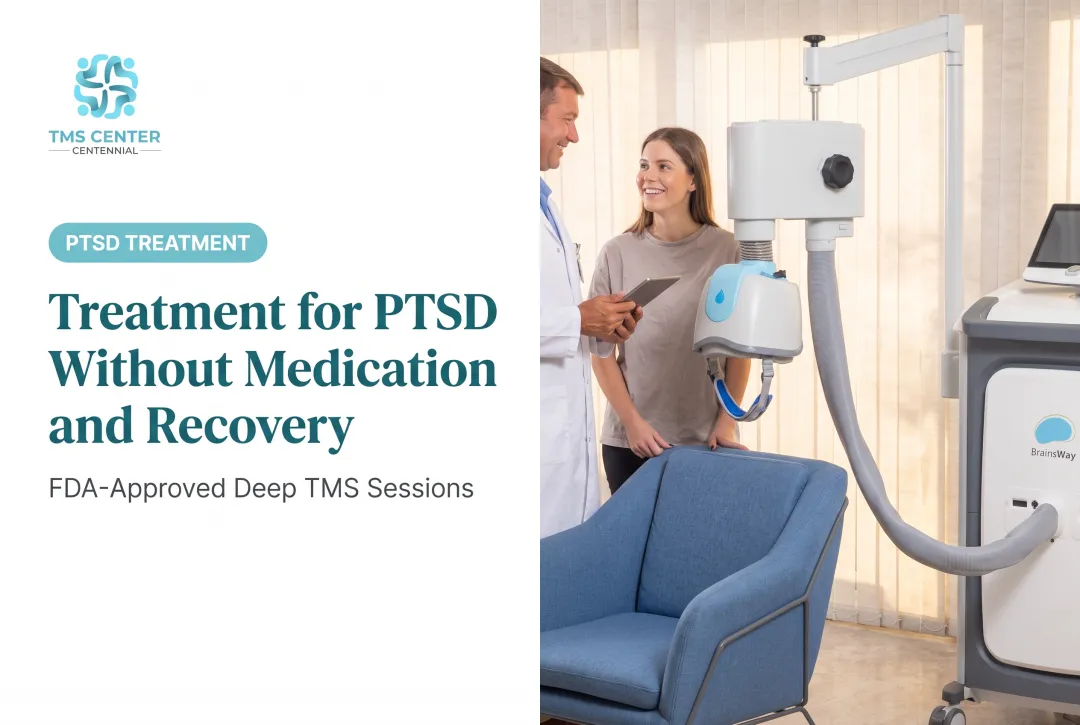
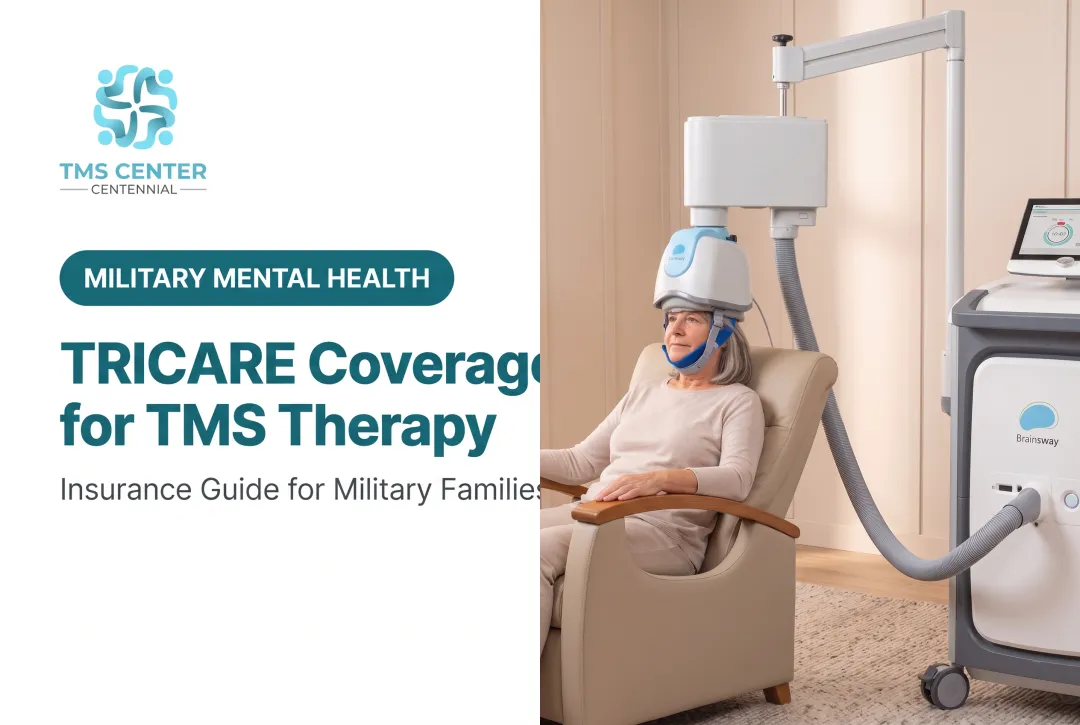
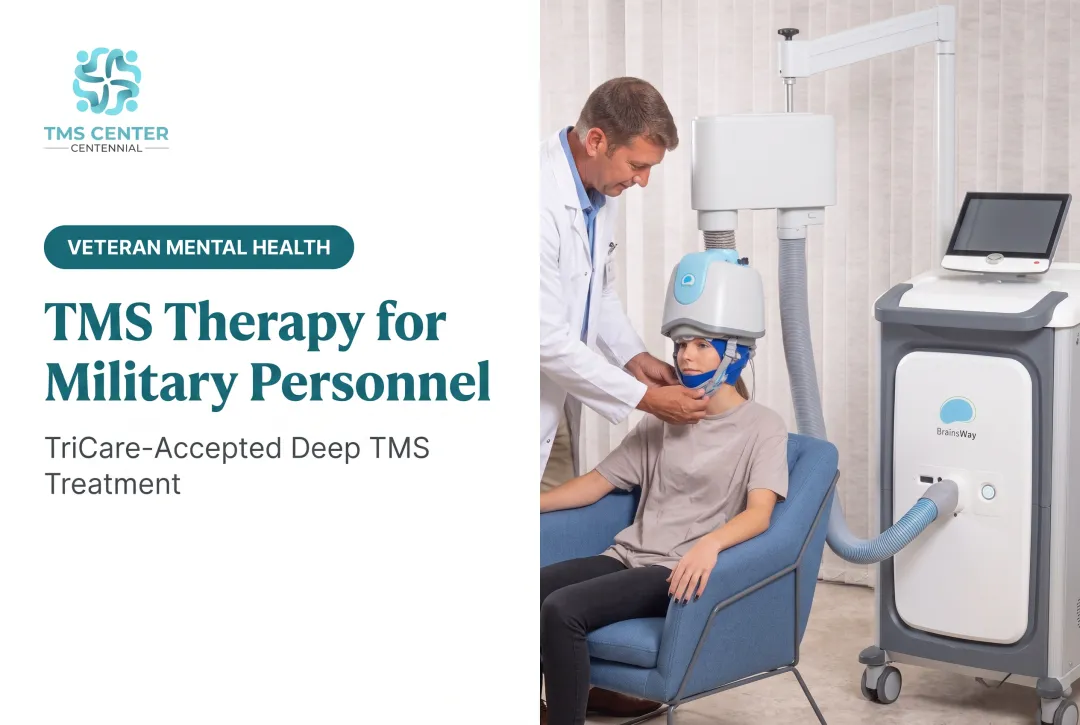
Deep TMS™ uses BrainsWay's patented H-coil technology to stimulate brain regions tied to mood regulation, without medication and without surgery. It's built for veterans who haven't gotten full relief from medication or simply want to avoid pharmaceutical side effects.
A 2025 multisite study of 756 veterans with comorbid PTSD and depression found response rates between 63% and 78% depending on the TMS protocol used, with remission rates near 47-49%. Deep TMS™ carries FDA clearance for depression and OCD; PTSD use is currently supported by research rather than a standalone FDA indication.
NeurOptimal® neurofeedback takes a different approach. Sensors monitor brainwave activity during a 33-minute session while you relax and listen to music. The system delivers subtle "reset" signals when it detects irregular patterns.
A 2023 systematic review of PTSD neurofeedback studies found remission rates of 79.3% versus 24.4% for control groups, though researchers noted the evidence base is still developing.

At TMS Center Centennial, Clinical Director Rodney Placzek brings that veteran perspective into every session. He retired after 27 years as an Army Sergeant Major.
His path to TMS started with a hard transition: the loss of his son, a divorce, and the disorientation of leaving military life. He became a patient before he became a provider, and that experience shapes how he treats every veteran who walks through the door.
The center accepts Tricare along with most major insurance plans, which removes one of the biggest barriers veterans face: cost. A history of psychotherapy is generally required as part of the clinical evaluation - we'll ask for your therapist's name and about when you were seeing them.
Healthy Coping Skills for Veterans With PTSD
Professional treatment does the heavy lifting, but daily habits matter too:
- Grounding techniques - name five things you can see, hear, or touch to anchor yourself during a flashback or panic spike
- Regular exercise - VA research shows preliminary evidence that exercise reduces PTSD symptom severity
- Structured sleep routines - keep consistent bedtimes and wind-down habits, since insomnia often drives other symptoms
- Peer support groups - connect with other veterans who understand the specific weight of military trauma
- Mindfulness practices - use brief breathing or body-scan exercises to ease hyperarousal between sessions
Animal-assisted support can also lower hyperarousal. TMS Center Centennial keeps two therapy dogs, Finn and Furgus, on-site, and patients often describe them curling up on a lap during treatment. It's a small thing that makes a clinical setting feel less clinical.

How to Support a Veteran With PTSD
Watching someone you love live with PTSD can leave you unsure how to help. Steady, low-pressure support makes a real difference—especially when it sits alongside professional care.
- Be patient. Don’t push them to “talk about it” before they’re ready; pressure often backfires.
- Listen more than you advise. Quiet presence can matter more than the perfect response.
- Help with research. Offer to find a provider experienced with military trauma—not trauma in general—and check options covered by plans like Tricare.
- Support healthy routines. Encourage sleep, movement, and social connection while they stay engaged in treatment.
Small, consistent support beats one big gesture. Recovery is rarely linear, and your steady presence helps them stick with care long enough to see progress.
Taking the Next Step Toward Recovery
Left untreated, PTSD often becomes chronic. With the right mix of therapy and options such as TMS, many veterans see real improvement.
If you are ready to explore care, a first visit at TMS Center Centennial starts with a clinical assessment to see whether TMS fits your history and needs. From there, the path is straightforward:
- Personalized treatment plan built around your symptoms and goals
- Insurance verification and benefits review before sessions begin
- Sessions of about 30 to 45 minutes in the office, depending on the protocol, five days a week, for four to six weeks
The center accepts Tricare and most major plans, so cost rarely has to be why a veteran puts care off. Call (720) 642-6555 to schedule an evaluation and take the next step.
Frequently Asked Questions
What are the treatment options for PTSD?
Options include trauma-focused psychotherapy (CBT, EMDR, exposure therapy) and medications such as SSRIs. Non-medication options like Deep TMS™ and neurofeedback can help when other approaches haven't brought full relief. When TMS is added, yes, patients can continue their current medications during the TMS protocol. Most people remain on their prescribed medications throughout treatment and should stay stable on them. Keeping medications stable helps limit variables during treatment, so the clinical team can tell what is actually working. Any medication changes should be made under medical supervision, and preferably after finishing the TMS protocol rather than during it, always guided by the prescribing clinician.
Does the VA consider PTSD a permanent disability?
The VA can rate PTSD as permanent and total in certain cases, but this depends on severity and the likelihood of improvement. It's determined case-by-case, not automatically.
What do veterans with PTSD struggle with?
Common struggles include reintegration into civilian life, strained relationships, severe sleep disruption, hypervigilance, and co-occurring depression or substance use.
What are some healthy coping skills for people with PTSD?
Grounding exercises, regular physical activity, peer support groups, and consistent sleep routines all help manage symptoms alongside professional treatment.
How is Deep TMS™ different from traditional TMS?
Deep TMS™ uses BrainsWay's patented H-coil to reach deeper and broader brain regions, stimulating neural pathways more broadly and at roughly four times the depth of standard rTMS coils.
Is TMS covered by insurance for veterans?
Yes. TMS Center Centennial accepts TRICARE and most major insurance plans, which helps veterans and active-duty service members access treatment.