
If you're one of them, you know the drill: racing heart before a meeting, sweaty palms at a party, replaying every word you said on the drive home. The good news? Social anxiety responds well to treatment. This guide walks through therapy, medication, non-medication innovations like TMS, and lifestyle strategies, so you can find what actually fits your life.
Key Takeaways
- Social anxiety is highly treatable with therapy, medication, or both used together
- CBT and exposure therapy are the usual evidence-backed place to start
- TMS and neurofeedback offer options when first-line care isn’t enough
- Lifestyle shifts—less caffeine, more movement—support any treatment plan
Understanding Social Anxiety Disorder
Social anxiety disorder isn't just shyness. Shyness comes and goes. Social anxiety disorder is persistent, intense fear of judgment that interferes with work, relationships, and daily routines.
Common symptoms include:
- Sweating, trembling, or a racing heartbeat in social settings
- Nausea or a shaky voice before speaking up
- Intense fear of embarrassment or humiliation
- Avoiding parties, meetings, or phone calls altogether
- Replaying conversations for hours afterward, searching for mistakes
The disorder hit 8.0% of women and 6.1% of men in the past year, with younger adults (ages 18-29) reporting the highest rates at 9.1%, per NIMH.
What Could Be Causing Anxiety After Socializing?
Ever leave a perfectly normal conversation feeling drained and convinced you said something wrong? That's post-event processing, sometimes called a "social hangover."
A 2024 meta-analysis of 35 studies found a moderate link (r = .45) between this kind of rumination and social anxiety symptoms, according to a systematic review published in PMC. Three things typically drive it:
- Mentally replaying every pause, joke, or comment
- Burning energy to appear calm until you're wiped out
- Assuming the worst reading of neutral moments

This happens even after genuinely good interactions. It's not proof something went wrong. It's a thought pattern, and it's treatable.
Therapy-Based Treatments
Cognitive behavioral therapy (CBT) is the best-supported starting point. A large 2014 network meta-analysis spanning 101 trials and over 13,000 participants found individual CBT produced the strongest results against waitlist controls. Group CBT also performed well.
CBT works by identifying distorted thoughts ("everyone's judging me") and replacing them with realistic ones. Exposure therapy, a core CBT component, gradually guides you into feared situations, starting small and building up:
- Making brief eye contact
- Starting a short conversation with a cashier
- Speaking up in a small meeting
- Giving a presentation

Other options worth knowing about:
- Group therapy normalizes the experience and lets you practice social skills in a low-stakes setting
- Teletherapy skips the anxiety-inducing waiting room; guided online CBT has shown large gains that held at six-month follow-up
- Combination care pairs therapy with medication or non-medication treatments and often produces the most durable results
Therapy rarely works alone for moderate-to-severe social anxiety. It's usually one piece of a bigger plan.
Medication Options for Social Anxiety
SSRIs and SNRIs are the first-line daily medications for social anxiety. Paroxetine (Paxil CR), sertraline (Zoloft), and extended-release venlafaxine (Effexor XR) all carry FDA approval for this specific condition.
Patience matters here. Clinical trials show SSRIs typically separate from placebo around weeks 4 to 6, though Mayo Clinic notes full improvement can take several weeks to months.
For situational anxiety, like public speaking or a big presentation, some prescribers use:
- Beta-blockers (such as propranolol) to blunt physical symptoms like a racing heart, taken as needed before the event
- Benzodiazepines, occasionally used short-term for acute situations, though dependency risk means they're not a long-term solution
Medication decisions should always go through a licensed prescriber who can weigh side effects, interactions, and dependency risk against potential benefit. Some patients see limited relief from medication alone, which is why many also explore non-medication options.
How to Fix Social Anxiety Without Medication: TMS and Neurofeedback
Not everyone wants daily medication, and not everyone responds to it. For treatment-resistant social anxiety, or if you simply prefer a non-pharmaceutical path, TMS (transcranial magnetic stimulation) and neurofeedback are two clinic-based options that do not rely on daily meds.
How Deep TMS™ Works for Anxiety
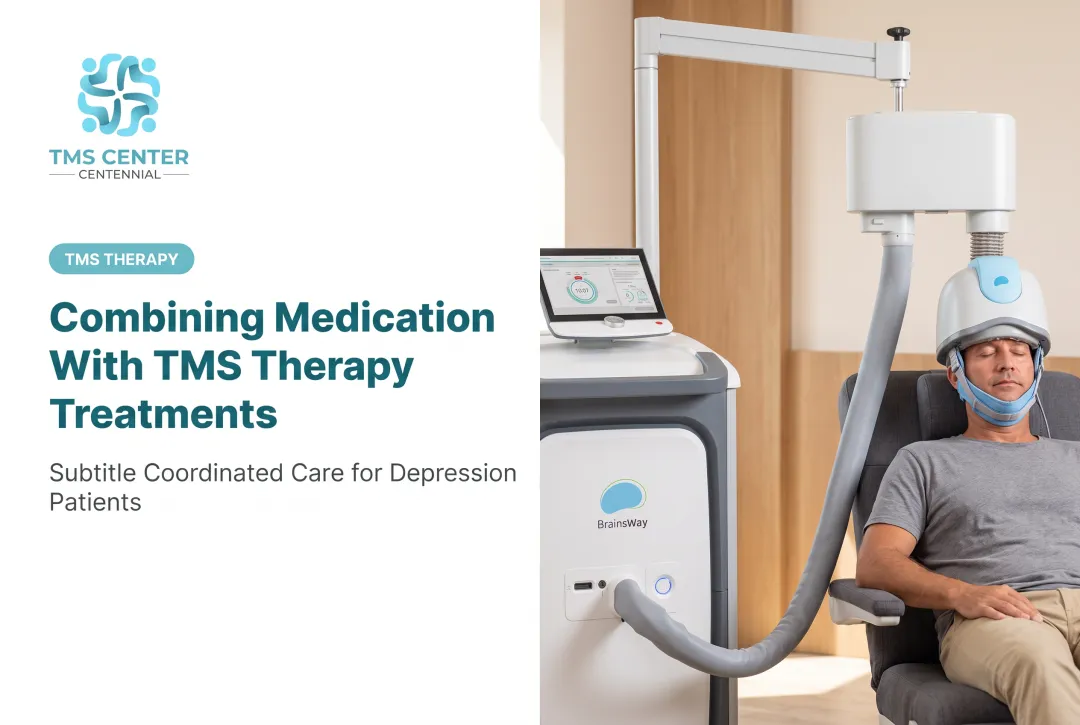
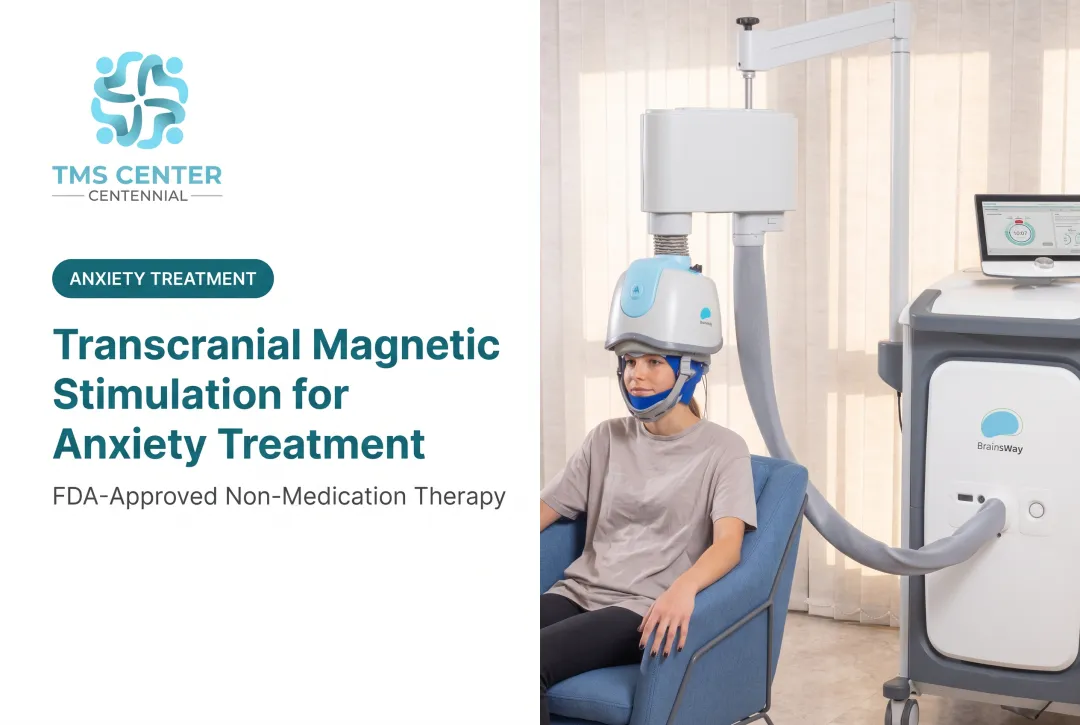
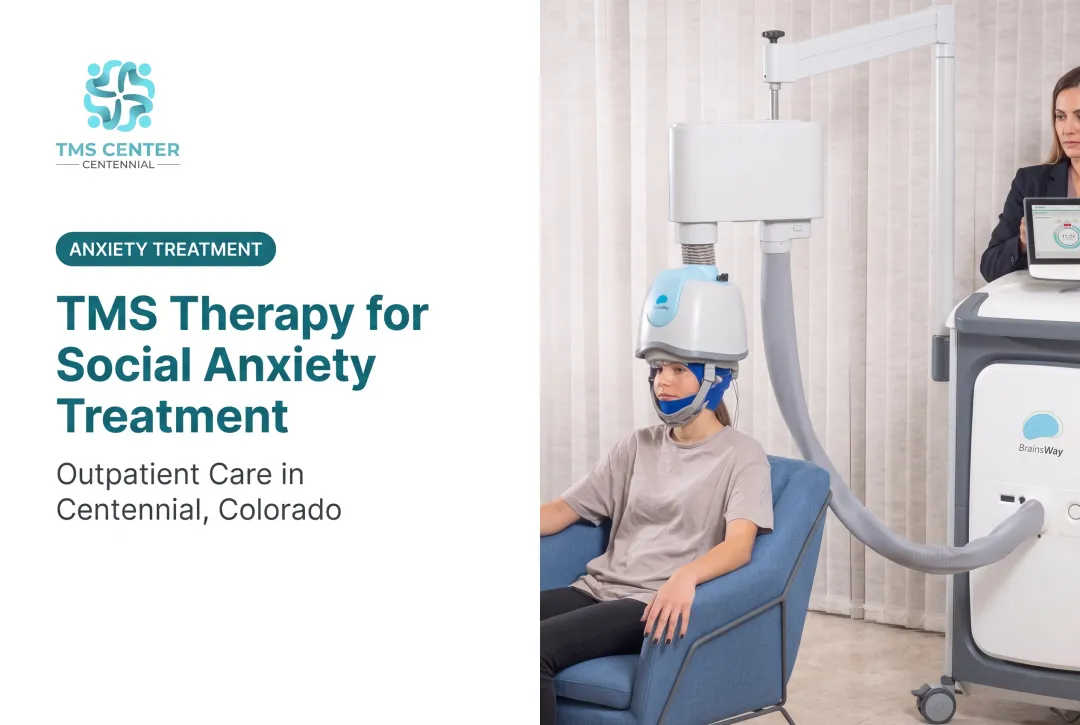
At TMS Center Centennial in Centennial, Colorado, Deep TMS™ uses magnetic pulses to stimulate brain regions tied to mood and anxiety regulation. Sessions are delivered by certified technicians under Dr. Cheryl Dasler, Psychiatrist.

The anxiety protocol has its own rhythm: pulses fire roughly every two seconds, producing a steady tick-tock pattern, and the session takes about 45 minutes in the office. Patients typically commit to a multi-week course of daily sessions. Before treatment begins, a history of psychotherapy is generally required as part of the clinical evaluation - we'll ask for your therapist's name and about when you were seeing them.
Owner and Clinical Director Rodney Placzek, a retired Army Sergeant Major, completed TMS himself before becoming a certified TMS Trainer and Technician. He now works with patients managing anxiety (including social anxiety), depression, PTSD, and OCD.
NeurOptimal® Neurofeedback: Training the Brain
NeurOptimal® neurofeedback offers a different, non-invasive route. During a 33-minute session, sensors monitor brainwave activity while you relax and listen to music. Brief interruptions in the audio act as subtle cues that train the brain toward steadier self-regulation—useful when social situations keep the nervous system on high alert.
If you are stuck between “medication isn’t working” and “I don’t want medication,” practical clinic factors matter as much as the device:
- Board-certified psychiatrists, an LMFT, and certified TMS coordinators on one multidisciplinary team
- Major plans accepted—Cigna, Anthem BCBS, Tricare, United Healthcare, and Aetna—with anxiety coverage varying by policy
- Therapy dogs Finn and Furgus (West Highland Terriers) often sit with patients during TMS sessions
TMS or neurofeedback paired with talk therapy usually holds gains better than either approach alone, especially when exposure work targets feared social situations.
Lifestyle and Self-Help Strategies
Treatment plans work better when daily habits support them. None of these replace therapy or medication, but they still make a real difference.
Move your body. A 2021 systematic review found physical activity produced a measurable reduction in social anxiety symptoms, though researchers note the studies varied widely in design. Even a brisk 20-minute walk before a social event can help.

Watch caffeine and alcohol. Caffeine mimics anxiety symptoms: think jittery hands and a racing pulse. Alcohol might feel like liquid courage in the moment. Research shows people with social anxiety often use it as self-medication, which can spiral into dependency over time.
Try grounding techniques. Simple mindfulness practices can interrupt anxious spirals before and during social situations:
- Deep breathing (four counts in, six counts out)
- Naming physical sensations to anchor yourself in the present
- Brief body scans before walking into a room
These tools won't cure social anxiety on their own, but they're useful in the moment, and they cost nothing.
Choosing the Right Treatment Path
No single path fits everyone. The best approach depends on:
- Severity — mild anxiety may respond to lifestyle changes and CBT alone; severe or treatment-resistant cases often need more
- Lifestyle — daily medication isn't for everyone; some prefer in-office sessions like TMS
- Personal history — prior treatment attempts (or lack of them) shape what to try next
A mental health professional can build a plan that combines therapy, medication, or alternative treatments based on your situation.
If CBT and medication haven't worked, FDA-approved options like TMS are often worth exploring, especially alongside ongoing counseling.
If you do pursue TMS, yes, patients can continue their current medications during the TMS protocol. Patients should stay stable on their medications during treatment. Keeping medications stable helps limit variables during treatment, so the clinical team can tell what is actually working. Any medication changes should be made under medical supervision, and preferably after finishing the TMS protocol rather than during it. Those decisions should always be guided by the prescribing clinician.
Frequently Asked Questions
How to fix social anxiety without medication?
CBT, exposure therapy, and non-medication treatments like TMS or neurofeedback can meaningfully reduce symptoms without a prescription. Lifestyle changes like exercise and reduced caffeine intake support these approaches.
What could be causing anxiety after socializing?
This "social hangover" often comes from overanalyzing interactions, exhaustion from masking anxiety, or fear of having said the wrong thing. It's common even after genuinely positive conversations.
What is the 333 rule for social anxiety?
It's an informal grounding technique: name three things you see, three sounds you hear, and three things you can touch or move. It's meant to interrupt anxious spiraling, not cure the disorder.
What is the most effective treatment for social anxiety?
Individual CBT, sometimes combined with medication, shows the strongest evidence as an initial approach. For treatment-resistant cases, non-medication options like TMS provide an additional path forward.
Can social anxiety be cured?
"Treatable" is more accurate than "cured." Many people see significant symptom reduction, and some reach full remission, but ongoing management or relapse prevention may be needed for others.